DHL has taken its esports-based recruiting program to China, debuting the campaign at Intel Extreme Masters Beijing 2026 in partnership with ESL FACEIT Group. Globally, the program has already drawn more than 50,000 job applications and over one million visits to DHL's career platforms, according to DHL's announcement.
The idea is simple. Instead of waiting for young workers to find a logistics job board, DHL goes where they already are: esports events, game-adjacent content and social channels. Fans who engage with the campaign are pointed to dedicated career platforms where they can browse vacancies in operations, IT, engineering and student programs and apply directly. We covered a connected angle in How Game Reviews Work — What Makes a Game Review Trustworthy: Our Standards.
For readers who follow esports mainly for the matches, this story is worth unpacking, because it shows how sponsors now treat gaming audiences as more than customers. Below is what the program is, how it works and what the China expansion actually adds. For related coverage, see Best Story-Driven PC Games: Narratives Worth Finishing.
What exactly is DHL's esports program?
It is an employer branding initiative — a recruiting campaign dressed in gaming clothes. Launched in 2022, it now spans 21 hiring hubs across nine countries and covers leading esports titles including Counter-Strike, Dota 2 and Overwatch. DHL runs esports-focused content and event activations, including Dispatch, a Counter-Strike-themed comedy series, alongside social media storytelling that presents the company's people, culture and open roles.
The numbers DHL cites for the first four years: more than one million visits to its employer branding platforms, over 400,000 job views and more than 50,000 applications. Those figures come from the company itself, so treat them as DHL's own accounting of its campaign rather than an independent audit.
Why is DHL expanding to China now?
Scale and age profile. DHL cites Statista Market Insights figures putting the number of esports users in China at nearly 220 million, and EFG survey data showing more than 75 percent of EFG's Chinese fans are aged between 18 and 29. That is a large, young, digitally connected audience in one market — which is why the company calls China one of its most important markets and the Beijing debut one of the largest esports events ever held in Asia.
"What makes this audience particularly valuable is that it represents both future talent and future customers," said Arjan Sissing, Senior Vice President Global Brand Marketing at DHL Group, in the announcement.
How does the recruiting actually happen?
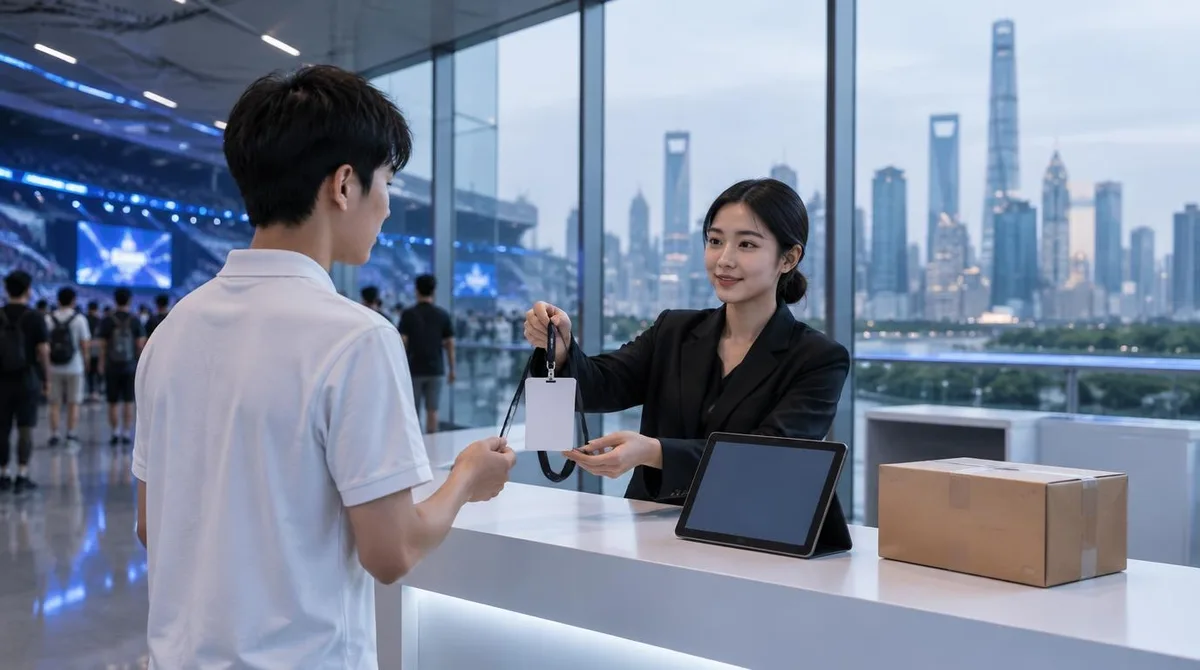
Through touchpoints, not tryouts. The campaign uses content formats like the Dispatch series, event activations at tournaments and social media storytelling. Each touchpoint directs fans to DHL's dedicated career platforms, where they can learn about the company, explore vacancies and apply for open roles. There is no gaming skill test and no promise that being a fan gets you hired — the esports layer is the introduction, not the qualification.
What does DHL get out of esports beyond recruiting?
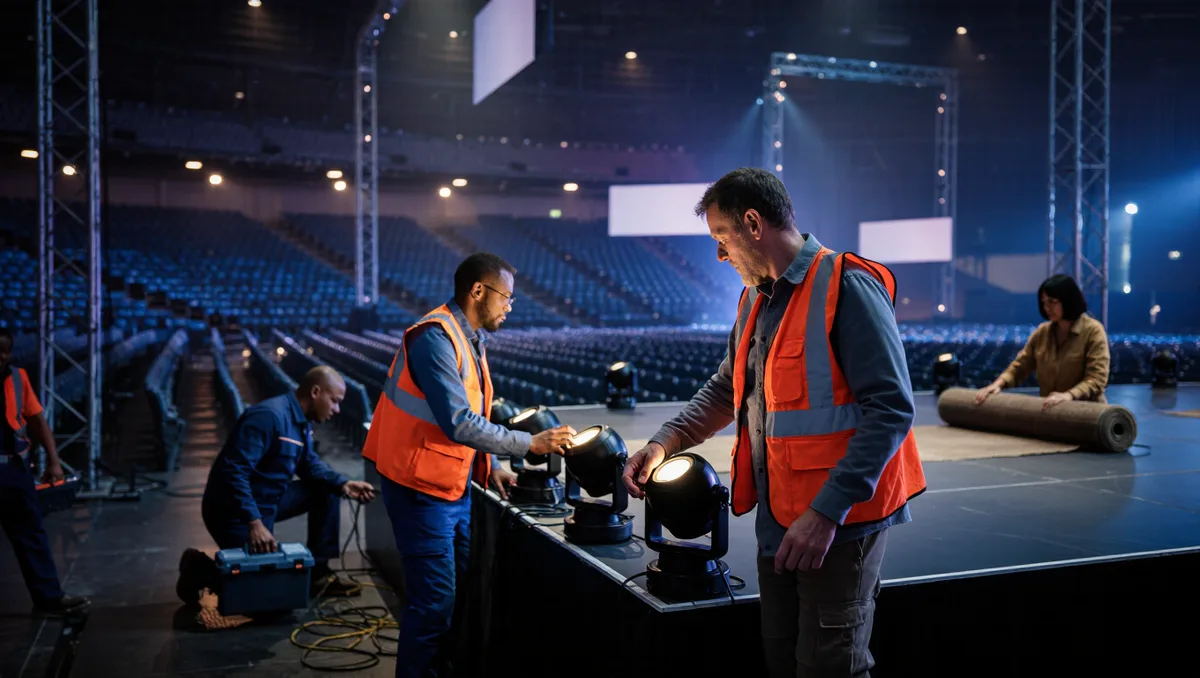
Two things, per the announcement. First, logistics: DHL has been ESL FACEIT Group's Official Logistics Partner since 2018, moving the broadcast, network, camera, lighting and server equipment that tournaments need. The employer branding campaign builds on that existing relationship. Second, sales: an EFG study of 8,000 Gen Z esports fans across eight markets found 74 percent said esports sponsorships or branding had influenced their purchasing behavior, and DHL's own 2025 E-Commerce Trends Report found seven in ten surveyed online shoppers had bought products through social media channels.
What should a newcomer take from this?
That the line between gaming culture and the job market is getting thinner. A company that ships packages worldwide now treats a Counter-Strike audience as a talent pipeline, and it is spending in China because the audience numbers justify it. The program's own results — 50,000-plus applications over four years — suggest the approach works well enough for DHL to keep expanding it.
The open question is whether the China debut converts its enormous audience into applications at the same rate as the existing nine-country footprint. DHL has not released China-specific application figures yet, so that is the number to watch as IEM Beijing 2026 plays out.