Console insurance, sold as an extended warranty or a protection plan, pays off only when your own risk beats its price. The console already carries a free warranty in year one. Nintendo of America covers its systems for twelve months, and Sony’s PS5 carries a one-year warranty in the United States and Canada.
This guide splits the two layers: the coverage you already own, and the coverage a plan adds on top. Figures below come from Nintendo’s and Sony’s published warranty terms and from Wikipedia’s extended warranty entry. Terms and consumer rights vary by region. We covered a connected angle in Nintendo Switch 2 First Months: What Launch Actually Delivered.
What Are You Actually Buying With a Console Plan?
An extended warranty is a prolonged service agreement. It sits on top of the standard warranty, and the maker, the retailer, or a warranty administrator can sell it, per Wikipedia’s entry on extended warranties. It costs extra, usually a cut of the item’s retail price, and it mainly covers electrical or mechanical breakdown. Its terms may not match the standard warranty’s terms. That gap is why the fine print deserves a read before the counter.
What Does the Free Maker Warranty Already Cover?
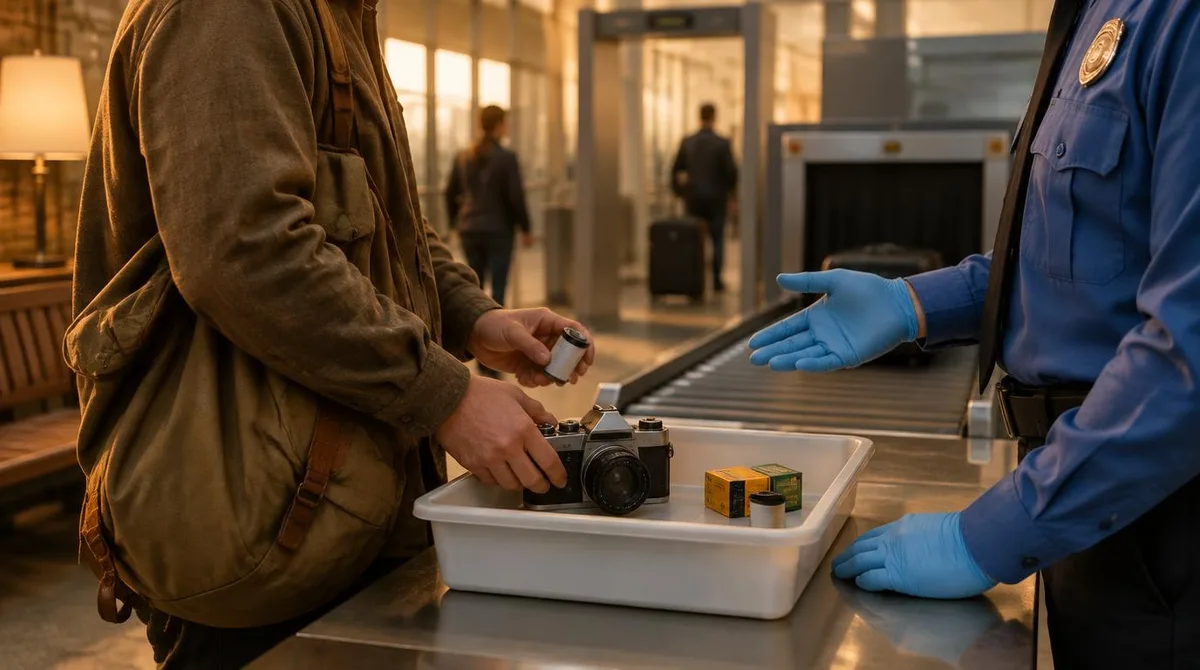
Defects, not accidents. Nintendo of America warrants its products against defects in material and workmanship for twelve months from purchase, and it replaces a defective product free of charge, per Nintendo’s warranty and service page. The fine print notes two strings. You may need to ship the full console at your expense, and repairs may return refurbished parts.
Sony Interactive Entertainment warrants the PS5 hardware against material defects in material and workmanship for one year in the United States and Canada. SIE repairs the console or swaps it for a factory-recertified unit at no charge, per SIE’s PS5 warranty page. The service requires a return authorization and a dated proof of purchase, so the receipt is part of the coverage.
What Do Paid Plans Cost and Cover?
Per the same Wikipedia entry, extended warranties in retail consumer electronics usually cost 20% to 30% of the item’s price. They cover breakdown. Insurance regulators in many states have approved versions that add normal wear and tear or accidental damage from handling. The exclusions carry the weight. Commercial use, owner abuse, and malicious damage sit outside most terms, and some plans cover nothing beyond mechanical failure from normal usage. Readers following this should also see PS5 Pro: What the Upgraded Hardware Actually Means for Your Games.
Where Does the Value Argument Stand?
Consumer advocates lean skeptical. Consumers Union advised in 2006, per the same entry, that extended warranties rarely serve the buyer unless bought at or near cost. The entry also notes that shoppers buy them anyway because they overstate how often products fail. Retailer-sold plans may carry a big commission for the retailer. One more trap hides in the overlap: a plan sold as five years often copies the free first year, which makes it a four-year product with a five-year label.
When Does a Plan Make Sense for Your Console?
Do the subtraction before the counter. Weigh the plan’s price against the console’s replacement cost and your household’s real risk. Defect coverage is the free part, so a defect-only plan earns its keep in years two and later, after the maker’s promise ends. Accident coverage is the one feature the free warranty never gives. In a house with small children, pets, or frequent moves, that is where a plan earns its price. Keep the dated receipt either way, because Sony’s service needs proof of purchase from day one.
Conclusion: Worth It When Your Math Beats the Price
A console protection plan is not a default purchase and not a waste by definition. It is a priced service contract on top of a free first year the maker already owes you. Its value turns on what your risks look like after that year ends. Price the plan, read its exclusions, weigh your household, and decide. The coverage is worth what it saves you, no more.