Console exclusives explain most hardware purchases. When a game only runs on one machine, and you want to play it, you buy that machine. Spec sheets matter less than people think: a faster processor does not move a buyer the way one must-play series does. That is the short answer to how console exclusives work on a buying decision.
The word itself is older than the industry. Merriam-Webster defines a console as "an electronic system that connects to a display (such as a television set) and is used primarily to play video games" — according to Merriam-Webster, the gaming sense sits alongside older meanings like an organ case or a floor-standing radio cabinet. What the definition cannot capture is the economics: for decades, the fight between those boxes has been fought with games you could not get anywhere else.
Why do exclusives drive console sales?
A console is a closed platform. The maker sells the hardware, then earns money when you buy games for it. That business model gives the platform holder a strong reason to make its machine the only place a popular game can run. The game becomes the reason the hardware exists in your home.
Think of it as a lock and key. The exclusive game is the key; the console is the lock. A multiplatform game opens every lock, so it cannot push you toward any one of them. An exclusive only opens one, so if that game is the one you want, the decision is already made. This is why launch lineups get so much attention. A strong exclusive at launch can define a whole generation's early sales story, and a weak one can leave a machine sitting on shelves.
There is a second, quieter effect. Exclusives build identity. People do not say they own a particular box because of its teraflops. They say they own it because of the games associated with it. Over years, that association becomes the brand, and the brand becomes the default choice when a friend asks what to buy.
What counts as an exclusive anymore?
The definition has loosened. A true exclusive once meant a game available on exactly one home console and nowhere else, full stop. Today the category has layers, and each layer nudges a purchase differently.
- Platform exclusive: the game runs on one console maker's hardware, though it may also appear on PC. It still sells that maker's console, because the PC option costs more or suits a different kind of player.
- Timed exclusive: the game launches on one console first and arrives elsewhere later. The window is meant to catch buyers at their most decisive moment — the launch or holiday season.
- Console launch exclusive: the game is on one console and PC at launch, skipping rival consoles. It is a softer claim, but it still shapes the comparison shoppers make.
- Content exclusive: the game is everywhere, but one version gets extra characters, missions, or early access. This is the weakest form, and most players see through it.
The split between exclusive and multiplatform releases keeps shifting, and the reasons why are worth their own explainer — we cover that in Console Exclusive vs. Multiplatform Games: Why the Split Changed in 2026. The short version for a buyer: check where a game you care about actually runs, not where the marketing implies it runs.
Specs vs. games: which actually decides the purchase?
Raw hardware matters, but mostly at the margins. Two machines from the same generation are usually close enough that most players could not tell them apart in a blind test of ordinary games. What separates them in the market is what each one offers that the other cannot — and that offer is almost always software.
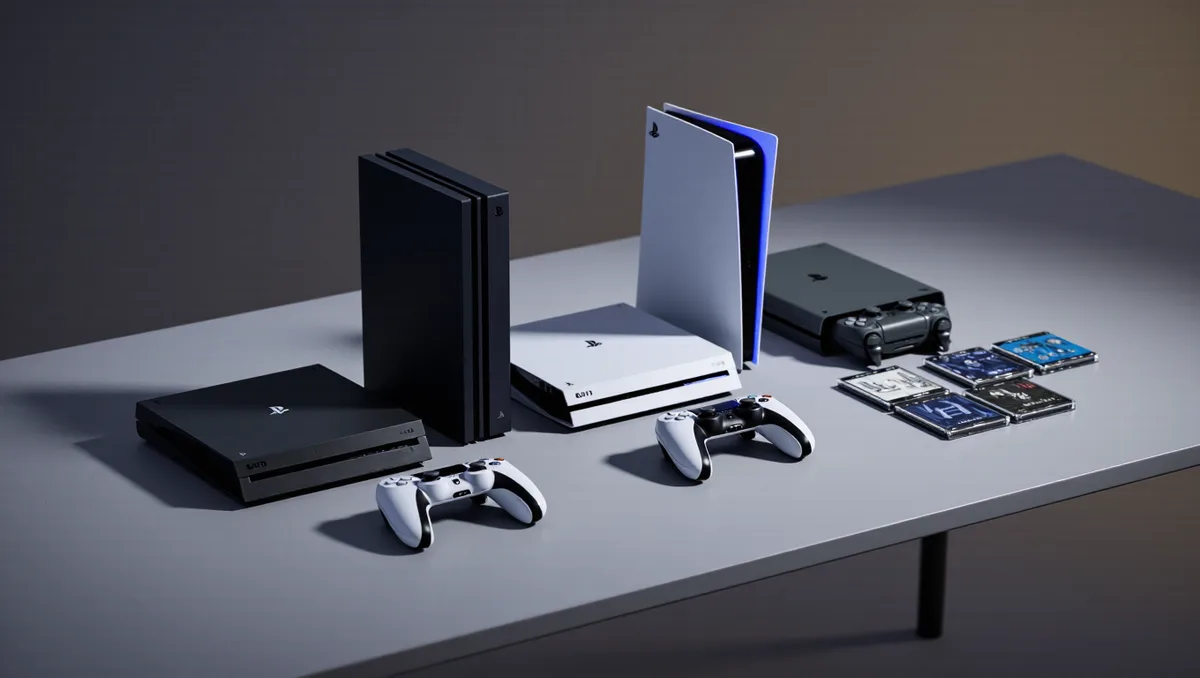
Our analysis: treat specs as a tiebreaker, not a decider. If two consoles both run the games you want, then load times, storage cost, and noise become reasonable ways to choose. If one console runs a series you love and the other does not, no spec sheet changes the math. Upgraded mid-generation hardware complicates this slightly — PS5 Pro: What the Upgraded Hardware Actually Means for Your Games walks through what a premium machine does and does not change — but the same rule holds. The upgraded box plays the same library. The library is the decision.
Price interacts with exclusives in a specific way. A cheaper console with no game you want is still expensive in the only sense that matters: it does not deliver the experience you are buying. A pricier console with three must-play series can be the better value for a particular player, even though it costs more up front. Value is personal here, and it is measured in games, not dollars per gigaflop. Readers following this should also see Handheld vs. Docked Console Gaming: Which Setup Fits How You Play?.
How should you actually choose a console?
Start with games, work backward to hardware. That order prevents the most common mistake, which is buying a machine first and hoping the library follows.
- List the games you want to play over the next two or three years, including announced ones and series you know you will return to.
- Check which platforms each one runs on, using official publisher pages rather than store listings or secondhand claims.
- If one console holds most of your list, your choice is made. If the list splits evenly, then compare the hardware on practical grounds.
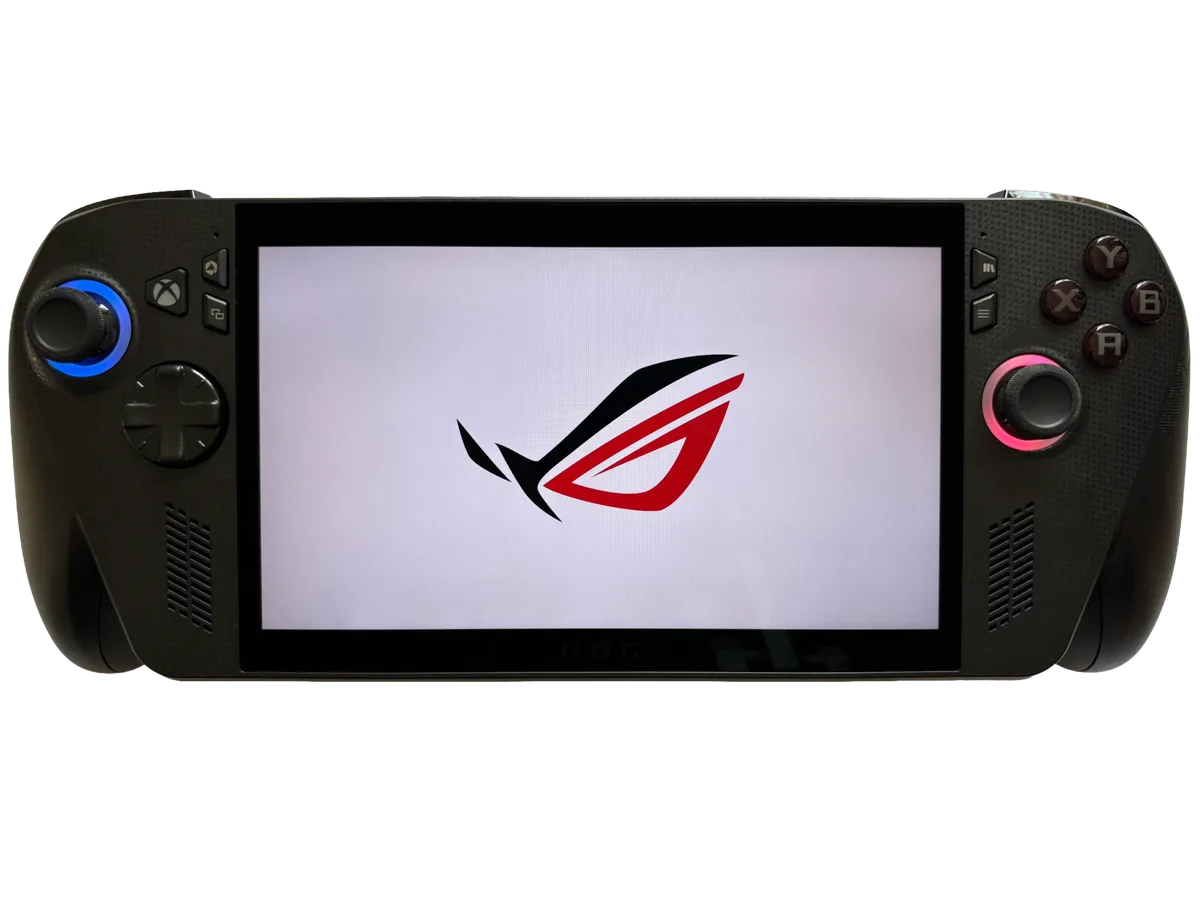
- Consider how you play, not just what. Handheld play changes the calculus entirely; Handheld vs. Docked Console Gaming: Which Setup Fits How You Play? breaks down that trade-off.
- Factor in your existing library. Backward compatibility can make a new console an upgrade instead of a restart; see Backward Compatibility: How Consoles Run the Previous Generation's Games.
Subscriptions add one more wrinkle. A service can put a large rotating catalog behind a monthly fee, which softens the exclusive advantage — some games you would have bought now come with the box. What each service actually includes, and what it does not, is laid out in Game Pass vs. PlayStation Plus: What Each Subscription Actually Includes. A catalog is not the same as an exclusive, but it can change whether an exclusive is worth buying hardware for, if the game appears in a service you already pay for. This connects to our earlier piece, Game Pass vs. PlayStation Plus: What Each Subscription Actually Includes.
Do exclusives still matter as much as they used to?
Less than they once did, but more than the current headlines suggest. The industry has drifted toward multiplatform releases because games cost too much to make for publishers to leave markets closed. At the same time, platform holders still need reasons for their machines to exist, so the fully open future keeps not arriving. The result is a middle state: fewer hard exclusives, more timed and partial ones, and more games arriving on PC alongside consoles.
Cross-play has also lowered the stakes. If your friends play online regardless of platform, the social pressure to match their console weakens — Cross-Play Between PS5, Xbox, and PC: How It Works and Where It Stops explains where that compatibility ends. When the multiplayer lobby is open to everyone, the exclusive's job shifts from locking in your whole social circle to simply giving you a reason to prefer one machine.
What has not changed is the mechanism. Exclusives work on buyers because scarcity works on buyers. A game that exists in one place gives that place meaning, and meaning is what people actually purchase. The packaging changes — timed windows, PC editions, subscription catalogs — but the underlying trade stays the same.
What this means for your next purchase
The evidence points one way: exclusive libraries have always outsold spec sheets, and they still do, in softened form. Before you compare hardware, compare libraries. Write down the games. Check the platforms. Then let the hardware comparison happen only if the library comparison ends in a tie. If you want a fuller framework for that final step, PlayStation 5 vs Xbox Series X in 2026: Which Console Should You Buy? applies it to the current generation, and our consoles coverage tracks how each platform's library shifts over time. What remains unknown is how far the drift toward multiplatform releases will go — that is a business decision still being made in real time, and no one can call its endpoint.