The best handheld depends less on one standout device than on how you play. Handhelds now split into three form-factor camps: compact retro-emulation machines built for long battery life, mid-size hybrid consoles that dock to a TV, and full PC handhelds that run big Steam libraries at the cost of weight and endurance. That framing comes from Engadget, which has spent months testing the category and still calls Valve's Steam Deck the best balance of price, performance and usability.
Here is the short version. If you want one device that plays in your hands and on your TV, the hybrid form factor wins. If you want the biggest possible game library and don't mind a heavier machine, a portable PC like the Steam Deck fits. If you mostly replay older games and want something pocketable, a dedicated retro handheld is the honest pick. Our consoles coverage covers each category in more depth.
Which handheld has the best battery life?
Compact emulation handhelds win on endurance, and it isn't close. They run older, less demanding games on modest chips, so the battery stretches. Engadget's testing notes describe these devices as prioritizing "simplicity, long battery life and pocketable designs" — quick sessions on classic libraries rather than modern blockbusters.
PC handhelds sit at the other end. No handheld plays resource-intensive AAA games for very long, but Valve says the Steam Deck OLED runs three to 12 hours depending on the game, while the original LCD model lasts two to eight. Those figures assume lighter games; demanding titles land near the bottom of the range.
Which form factor has the biggest game library?
Portable PCs, clearly. The Steam Deck taps the Steam library, and Engadget notes that while only a subset is formally verified, the list of verified and still-playable titles is massive and growing. It runs games the original Switch never could, from Elden Ring to Final Fantasy VII Rebirth. Two caveats matter: some demanding recent games run poorly or not at all, and anti-cheat conflicts have made live-service titles like Destiny 2 and Apex Legends unplayable on the Deck's Linux-based system.
Hybrid consoles trade raw library size for first-party exclusives and simplicity. Retro handhelds have the deepest library of all in one sense — decades of older games — but only if you own or legally obtain the software, and setup takes more tinkering than most buyers expect.
Can handhelds really replace a docked console?
Partly. Docking flexibility is where the form factors differ most. Hybrid consoles are designed around it: the same device plays handheld and outputs to a TV. PC handhelds can output to a display too, but Engadget's testing treats them primarily as handheld machines, and performance that feels fine on a 7-inch screen can disappoint on a big TV.
If the docked experience is your priority, weigh the choice directly — our guide to handheld vs. docked console gaming breaks down how each setup fits different play habits. The honest answer: no handheld fully replaces a stationary console for living-room play, but hybrids come closest. Readers following this should also see Handheld vs. Docked Console Gaming: Which Setup Fits How You Play?.
What's new in the handheld market right now?
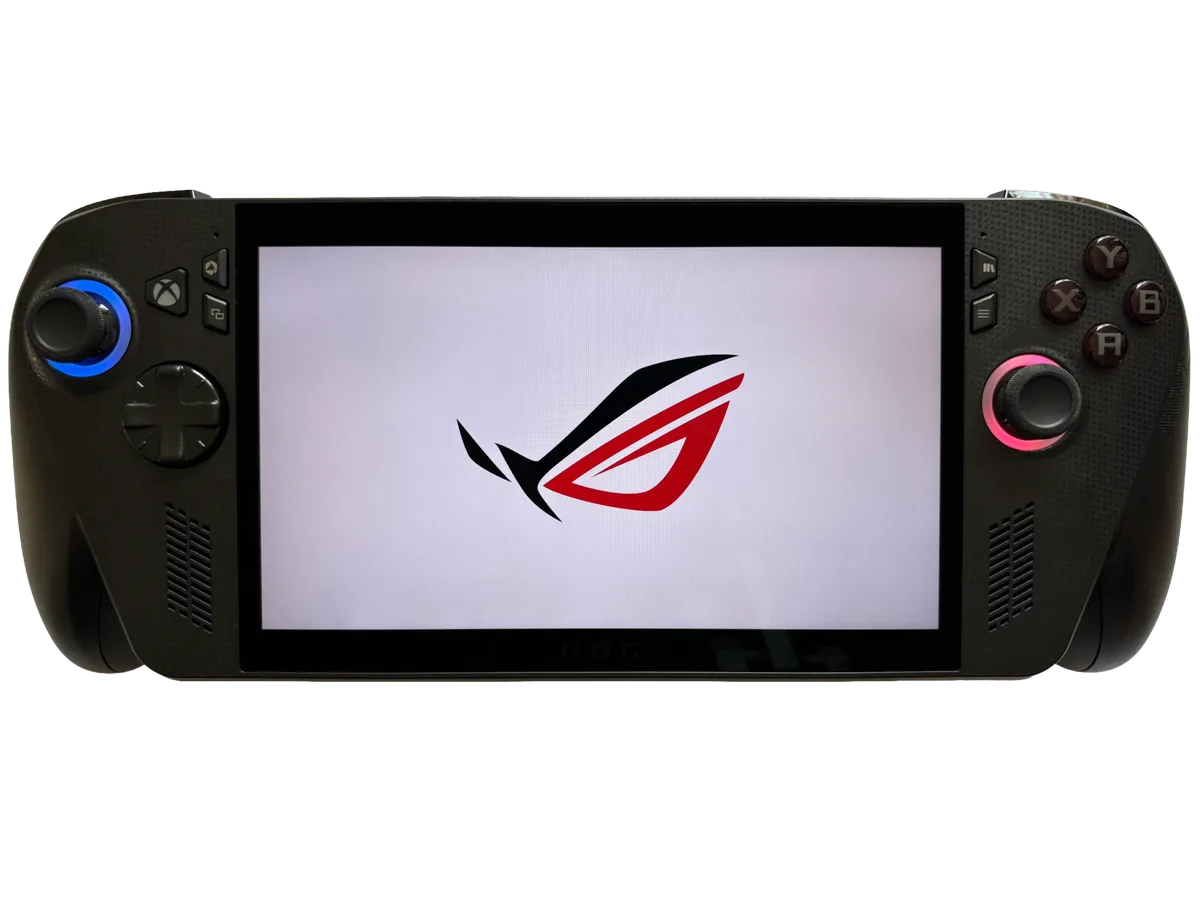
A lot, and Engadget's November 2025 editor's note flags it. New emulation handhelds announced since its last update include the Retroid Pocket 6, the Retroid Pocket G2, and a new version of its best-overall pick, the AYN Odin 3. Ayaneo's KONKR Pocket Fit is also on the way, alongside a wave of dual-screen models: the AYN Thor, Ayaneo Pocket DS and Anbernic RG DS. Engadget also added testing notes on newer portable PCs like the ASUS ROG Xbox Ally X.
What this means for buyers: the field is moving fast, and Engadget says it hasn't finished testing most of the newer devices yet. Its current recommendations should still satisfy most shoppers, but if you want the absolute latest, it pays to wait for tested verdicts rather than buying on announcement specs alone. Announcements are not reviews.
How should you rank the form factors for yourself?
Rank them against your habits, not against each other in the abstract. Here is our analysis of the three-way trade-off:
- Hybrid consoles — best if you split time between handheld and TV play and value simplicity. The library skews first-party.
- Portable PCs — best if your games live on Steam and you accept weight, price and shorter battery life under load. The Steam Deck OLED starts at $549 with 512GB of storage; the LCD model, at $399 with 256GB, remains Engadget's budget pick and delivers the same core experience for $150 less.
- Retro emulation handhelds — best if you play older games in short sessions and want pocketability and endurance over raw power.
Two practical checks before you buy. First, storage: PC handhelds fill a 256GB or 512GB drive quickly, so read our explainer on how console storage expansion works before committing. Second, your existing library: if older games matter to you, see how backward compatibility works on modern machines, and check our early assessment of the Nintendo Switch 2's first months if the hybrid route tempts you. This connects to our earlier piece, PlayStation 5 vs Xbox Series X in 2026: Which Console Should You Buy?.
The bottom line on handheld form factors
The evidence points one way: match the form factor to the session, not the spec sheet. Long flights and retro libraries favor compact emulation machines. Couch-plus-commute play favors hybrids. Big Steam backlogs favor the Steam Deck, whose OLED model trades $549 for a brighter 7.4-inch HDR screen, a 90Hz refresh rate and three to 12 hours of play per charge, per Valve's figures reported by Engadget. What remains unknown is how the newly announced wave — the Odin 3, the dual-screen models, the ROG Xbox Ally X — will test in practice. Engadget is still working through them, and so the smartest move right now is patience: buy the tested device that fits how you play, and let the untested ones prove themselves first.