A Counter-Strike 2 Major brings 24 teams to one event, run under a rulebook Valve fixes for every organizer. Teams qualify through regional qualifiers known as RMRs, then play two Swiss-format stages that cut the field to eight, and finish with a single-elimination Champions Stage. Valve funds a $1.25 million prize pool for each Major, and because the format is standardized, a Major in Shanghai and a Major in Copenhagen play out the same way — which is exactly why the format is worth learning once.
What makes a Major different from other CS2 tournaments?
Valve's involvement and its fixed slot allocation. Majors are sanctioned by Valve, which supplies the prize pool, sets rules on how teams qualify, and prohibits organizers from giving preferential invitations — every team earns its place through qualifiers or by retaining slots from the previous Major's results. Other big events, run by promoters like ESL FACEIT Group or BLAST, use their own formats and invite teams based on world rankings. The Major is also the only event where Valve sells supporter stickers that fund team and player payouts directly, which is why a player sticker at a Major is a revenue milestone, not just cosmetics.
What are RMRs and how does a team reach a Major?
RMR stands for Regional Major Rankings — the qualifier system that replaced Minors in 2020. Regions (Europe, Americas, Asia) hold RMR events before each Major, where teams compete for their region's allocation of Major slots. Slots are partly earned: teams that performed well at the previous Major bring qualification spots back to their region and can enter RMRs at later stages, while new teams start in open qualifiers — meaning, in practice, any five players can start an open qualifier online and climb to a Major. Regional slot counts shift with results, so Europe typically holds the most.
How do the Swiss stages work?
The 24 Major teams are split by seeding into two Swiss stages. The first stage — sixteen lower-seeded teams — plays five rounds of Swiss: teams face opponents with matching records, three wins advance you to the next stage, and three losses eliminate you. The eight survivors join the eight highest seeds in the second Swiss stage, played with the same three-wins-or-three-losses rule, and its top eight reach the playoffs. Seeding inside the Swiss rounds is decided by the Buchholz system, which scores teams by the strength of their opponents, so a team that beats strong opponents earns an easier next matchup. All Swiss matches are best-of-one except elimination and advancement matches, which are best-of-three — a rule that stops a single bad map from sending a team home.
What is the Champions Stage?
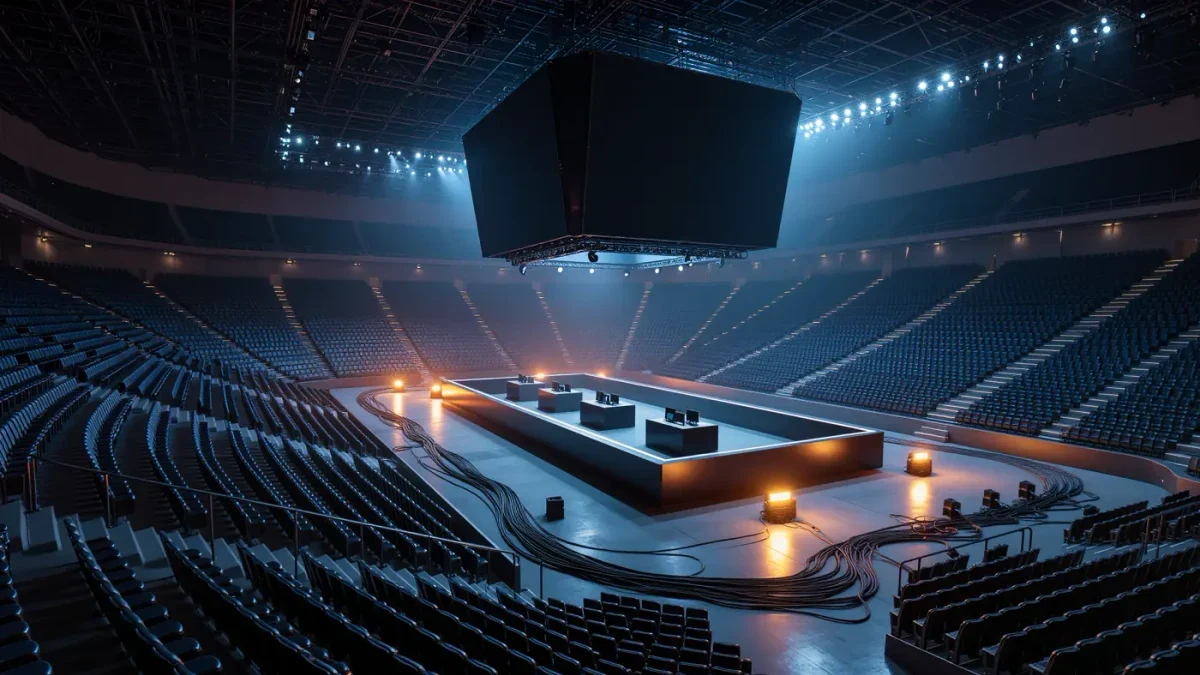
The playoff: eight teams, single elimination, every match a best-of-three, played in an arena in front of a crowd. Quarterfinal pairings come from final Swiss seeding, and there is no second bracket — one lost series and a team's Major is over. The winner of the grand final takes the largest share of the $1.25 million pool and the trophy; Valve also awards MVP and team stickers commemorating the roster. Because the stage is played on identical tournament PCs on a closed network, results here are considered the cleanest test in competitive CS.
Why does Valve insist on this open, standardized format?
Because it is designed to let new organizations break in and to keep organizers from stacking events with invited brand names. Valve's published tournament guidelines push Majors toward qualification over invitation, which is why the Major system has repeatedly produced stories of qualifier teams — so-called Challengers — beating established clubs deep into playoffs. The trade-off is variance: best-of-one Swiss rounds and single-elimination playoffs mean the best team does not always win a given Major. Over several Majors, though, the format has reliably identified the top tier, which is one reason CS esports has stayed around the same few elite organizations for a decade. Reuters and other outlets have covered both the format's stability and its record-setting audiences over the years.
Why does the Swiss system use best-of-one matches?
Speed and scheduling. Twenty-four teams across two stages produce a large number of matches, and best-of-ones let an entire round finish in a single day so viewers can follow every team's fate at once. The format compensates for the added variance where it matters most: once a team reaches a match that can eliminate it or send it through, the series becomes best-of-three, and the playoffs are best-of-three throughout. In other words, quick single-map rounds do the sorting, while longer series decide what is actually at stake.
How often are Majors held, and who has won the most?
Usually two per year since 2013, with exceptions when the calendar was disrupted — the pandemic years moved events online or delayed them, and 2024 held only one. No single national region has a monopoly, though European organizations dominate the all-time count. The championship trophy changes hands freely compared with franchises elsewhere in esports, and defending-champion slumps are common enough that the format's variance is part of the event's appeal: at a Major, the bracket genuinely does not care about your name.