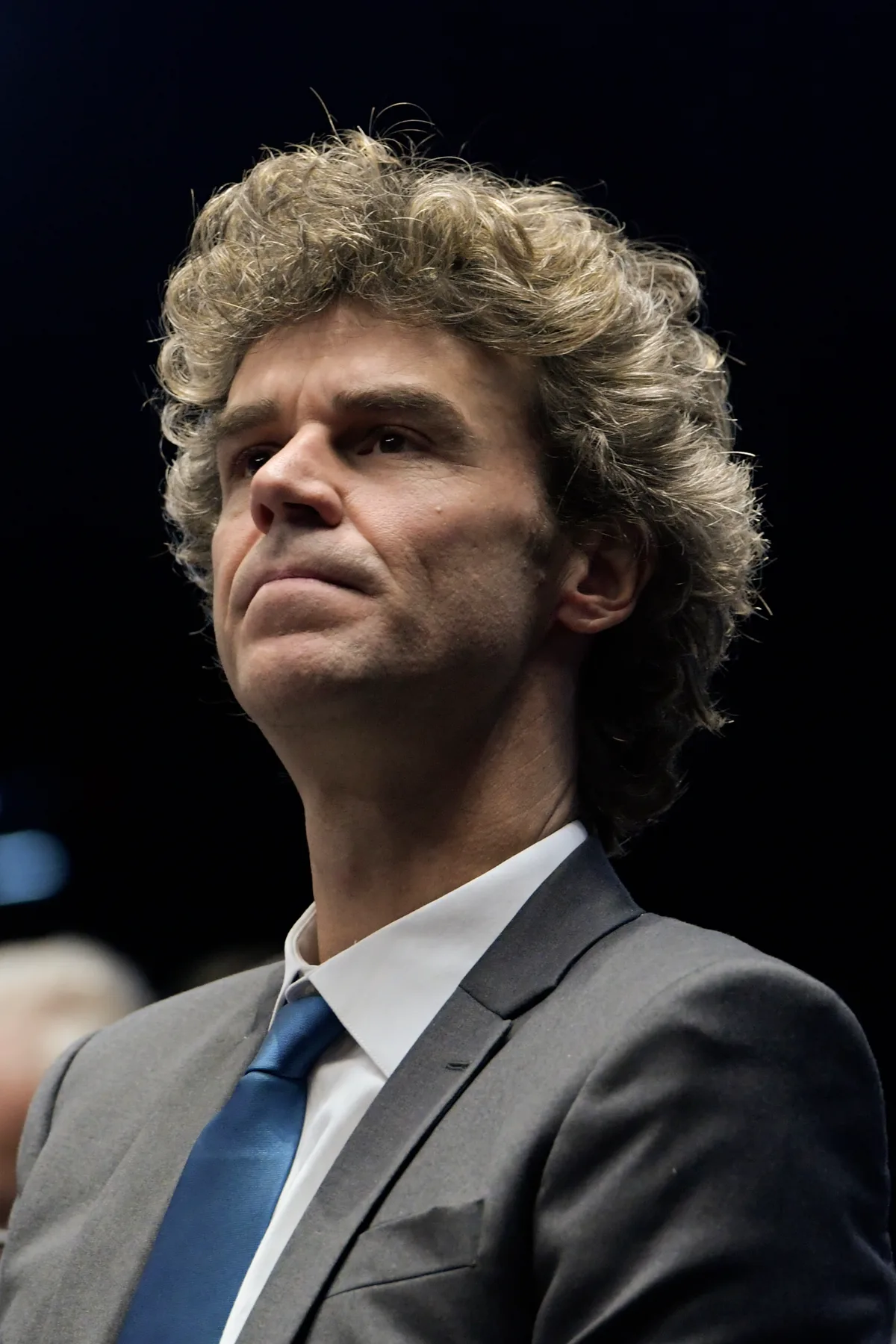
Girona FC eSports has signed Guga Ferraz for the 2026/27 season, and the club says the Brazilian will represent it in the main domestic and international EA SPORTS FC competitions, per Girona FC's announcement. He is 18 years old, born 16 August 2008, and already carries a résumé most players twice his age would take.
The short version: a top young EA SPORTS FC player just moved from one elite program to a smaller club's project. Guga, who competes as GugaFerraz, previously represented Manchester City in some of the biggest tournaments in the scene, according to Girona FC. Now a La Liga club with a growing esports arm gets a player who finished on podiums and in top brackets across 2026. For readers new to the scene, this is the football-club equivalent of a promising loanee switching teams before his prime. You can follow more of this space in our esports coverage.
Who is Guga Ferraz?
Gustavo Ferraz is a Brazilian player born on 16 August 2008, which made him 18 at the time of the signing. Girona's announcement calls him one of the most promising young talents on the international FC Pro scene, the competitive circuit built around EA SPORTS FC. The club also notes he already has experience at the highest competitive level despite his age, according to the club's statement.
That experience is not theoretical. During 2026 alone, he stacked up results on two continents, and the club listed them in detail.
What did he actually win in 2026?
The 2026 record explains why Girona moved. Here is what the club's announcement documents:
- Third-fourth at the 2026 eLibertadores, the South American club competition.
- Second at the 2026 eLiga Portugal Finals.
- A win at the 2026 Taça eLiga Portugal.
- A win in the second phase of the 2026 eLiga Portugal.
- Second place in the FC Pro 26 Open Cup in January, in the LatAm South region.
On the biggest international stages, the results were solid rather than trophy-lifting. He competed in the FC Pro 26 Open, the 2026 eChampions League, and the FC Pro 26 World Championship, finishing between 9th and 16th place in the latter two, per the club. That spread tells you something useful: he dominates regional Portuguese and South American events and holds his own against the world's best without yet breaking into the top eight.
Why a club like Girona signs an 18-year-old
Football clubs run esports squads for the same reason they run academies: brand reach and talent development at a fraction of first-team costs. Girona's statement frames the move as development, saying Guga joins with the aim of continuing to develop as a player and competing at the highest level throughout the season, in both domestic and international competitions. The club's own framing, in other words, is a growth project, not an instant-championship bet.
There is a second layer worth noticing. Guga previously represented Manchester City, according to Girona FC's announcement. The announcement does not state how the transfer happened, so read nothing contractual into that connection. What the move does show is that the FC Pro scene now works like traditional football's loan and transfer market: young players build names at big clubs, then move to clubs where they will be the headline signing rather than one name among several. For a wider look at how these deals are structured, our guide to esports player contracts covers what players and parents should check before signing. For related coverage, see Esports Player Contracts: What Players and Parents Should Know Before Signing. For related coverage, see Esports Player Contracts: What Players and Parents Should Know Before Signing.
What this means for the FC Pro scene
Three implications sit inside the facts. First, the age curve keeps dropping. A player born in 2008 signing for a 2026/27 season means clubs are now recruiting teenagers straight out of the junior ranks, and Guga's 2026 results prove the pipeline produces players who can compete immediately.
Second, club-backed competition keeps expanding. Girona says Guga will represent the red-and-white shirt in the main domestic and international EA SPORTS FC competitions. That mirrors the structure of real football: domestic leagues, continental cups, a world championship. New readers can see how that ladder functions across titles in our explainer on how esports tournaments actually work. We covered a connected angle in How Esports Tournaments Actually Work: Open Qualifiers to the Final Stage. We covered a connected angle in How Esports Tournaments Actually Work: Open Qualifiers to the Final Stage.
Third, mid-table football clubs are not just buying visibility; they are buying competitive upside. According to the club, Girona is getting a player who won two Portuguese circuit events in 2026 and finished between 9th and 16th at the FC Pro 26 World Championship. If he converts near-misses into deep runs, Girona's program gets the credit. The business side of these programs, from sponsorship to prize money, is covered in our breakdown of how esports teams make money.
What to watch in 2026/27
The club's announcement sets the expectations plainly: develop, and compete at the highest level all season. The concrete test cases are the competitions he already knows. He finished 9th-16th at the 2026 eChampions League and the FC Pro 26 World Championship, per the club, so the measurable question for his Girona era is whether those placements move up. The eLiga Portugal and eLibertadores results suggest he arrives in form.
One honest caveat, and it applies to any signing: a résumé from one season guarantees nothing about the next. Esports careers move fast in both directions, and the club itself framed this as a development step rather than a finished product. What the facts do establish is that Girona paid attention and moved for a player with a documented 2026, not a highlight reel. Yahoo Sports carried the news as a brief item, per Yahoo Sports, which is fitting for a signing whose full story will be written on the FC Pro stage over the coming season.